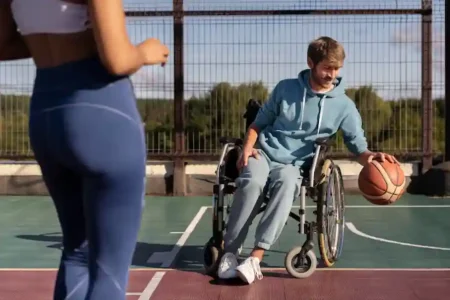
Sports have always been a powerful way for people to stay active, build confidence, and connect with others. For athletes with disabilities, participating in sports can be even more meaningful, providing opportunities to challenge themselves, develop skills, and achieve personal goals. However, not all sports facilities are designed to meet the unique needs of these athletes. This is where adaptive sports facilities come in, offering specialized environments and programs that make sports accessible, safe, and enjoyable for everyone.
Understanding Adaptive Sports
Adaptive sports are activities that are modified or specially designed to accommodate athletes with physical, sensory, or cognitive disabilities. These sports can range from wheelchair basketball and sitting volleyball to adaptive swimming and track events. The goal of adaptive sports is to provide athletes with opportunities to compete, improve fitness, and experience the same excitement and teamwork that able-bodied athletes enjoy. By using adaptive equipment and techniques, these sports ensure that participants can fully engage and reach their potential.
The Role of a Specialized Facility
An adaptive sports facility is more than just a place to exercise; it is an environment created to meet the specific needs of athletes with disabilities. Such facilities typically have accessible entrances, wide hallways, ramps, and specialized equipment to support a variety of activities. Staff members are trained to understand different types of disabilities and provide the guidance necessary to help athletes safely learn and improve their skills. These facilities also often offer tailored training programs and classes that focus on strength, endurance, and technique, allowing athletes to progress at their own pace.
Access to Expert Coaching and Support
One of the most important ways an adaptive sports facility supports athletes is through expert coaching. Coaches in these facilities are trained to work with athletes who have diverse abilities and provide personalized instruction. They help athletes set realistic goals, develop strategies to overcome challenges, and build confidence in their skills. Additionally, the presence of physical therapists, sports psychologists, and other specialists ensures that athletes receive the support they need to maintain physical health, prevent injuries, and stay motivated. This professional guidance is crucial for helping athletes reach their full potential and achieve personal milestones.
Building Confidence and Social Connections
Adaptive sports facilities also play a key role in building confidence and fostering social connections. Athletes with disabilities may face barriers to participation in traditional sports settings, which can affect self-esteem and motivation. By offering an inclusive and supportive environment, adaptive sports facilities create a sense of belonging and encouragement. Athletes can form friendships, celebrate successes together, and learn from one another. This community support is not only beneficial for personal growth but also helps athletes stay committed to their training and goals.
Encouraging Goal Achievement
Ultimately, the purpose of an adaptive sports facility is to help athletes achieve their goals. Whether an athlete wants to compete in a local tournament, improve personal fitness, or simply enjoy the fun of sports, these facilities provide the tools, guidance, and environment needed for success. By removing physical and psychological barriers, adaptive sports programs empower athletes to push their limits, gain independence, and experience the rewards of hard work and perseverance. The focus on individualized training and adaptive techniques ensures that each athlete can reach milestones that might not be possible in a traditional sports setting.
Conclusion
Adaptive sports facilities are essential for supporting athletes with disabilities in their journey to success. Through specialized equipment, expert coaching, accessible environments, and a strong sense of community, these facilities make it possible for athletes to pursue their goals confidently and safely. By embracing the principles of adaptive sports, athletes gain more than just physical strength—they develop resilience, independence, and a lasting passion for achievement. With continued support and opportunities, adaptive sports facilities help athletes unlock their full potential and enjoy the transformative power of sports.